
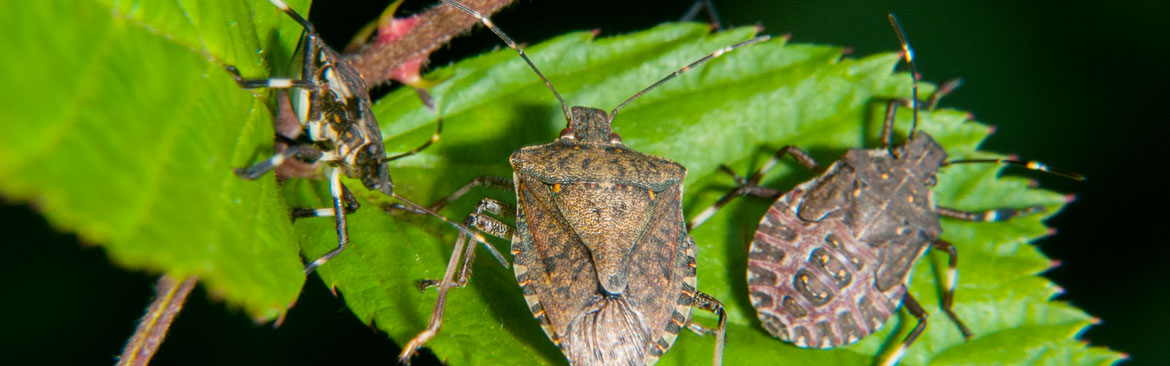

Wild Host Plants of Brown Marmorated Stink Bugs
go.ncsu.edu/readext?264388
en Español / em Português
El inglés es el idioma de control de esta página. En la medida en que haya algún conflicto entre la traducción al inglés y la traducción, el inglés prevalece.
Al hacer clic en el enlace de traducción se activa un servicio de traducción gratuito para convertir la página al español. Al igual que con cualquier traducción por Internet, la conversión no es sensible al contexto y puede que no traduzca el texto en su significado original. NC State Extension no garantiza la exactitud del texto traducido. Por favor, tenga en cuenta que algunas aplicaciones y/o servicios pueden no funcionar como se espera cuando se traducen.
Português
Inglês é o idioma de controle desta página. Na medida que haja algum conflito entre o texto original em Inglês e a tradução, o Inglês prevalece.
Ao clicar no link de tradução, um serviço gratuito de tradução será ativado para converter a página para o Português. Como em qualquer tradução pela internet, a conversão não é sensivel ao contexto e pode não ocorrer a tradução para o significado orginal. O serviço de Extensão da Carolina do Norte (NC State Extension) não garante a exatidão do texto traduzido. Por favor, observe que algumas funções ou serviços podem não funcionar como esperado após a tradução.
English
English is the controlling language of this page. To the extent there is any conflict between the English text and the translation, English controls.
Clicking on the translation link activates a free translation service to convert the page to Spanish. As with any Internet translation, the conversion is not context-sensitive and may not translate the text to its original meaning. NC State Extension does not guarantee the accuracy of the translated text. Please note that some applications and/or services may not function as expected when translated.
Collapse ▲During the 2011-2013 growing seasons, the trees and shrubs below had the highest numbers of BMSB during weekly surveys of random plants in urban landscapes and woodlots in western North Carolina. Note that these numbers are simply averages, as populations fluctuated and moved from host to host over the course of the season.
A more complete list of known BMSB host plants in the US was compiled by the nationwide BMSB working group. The number of actual BMSB hosts is probably greater.
Plants with the highest numbers of BMSB, Asheville, NC
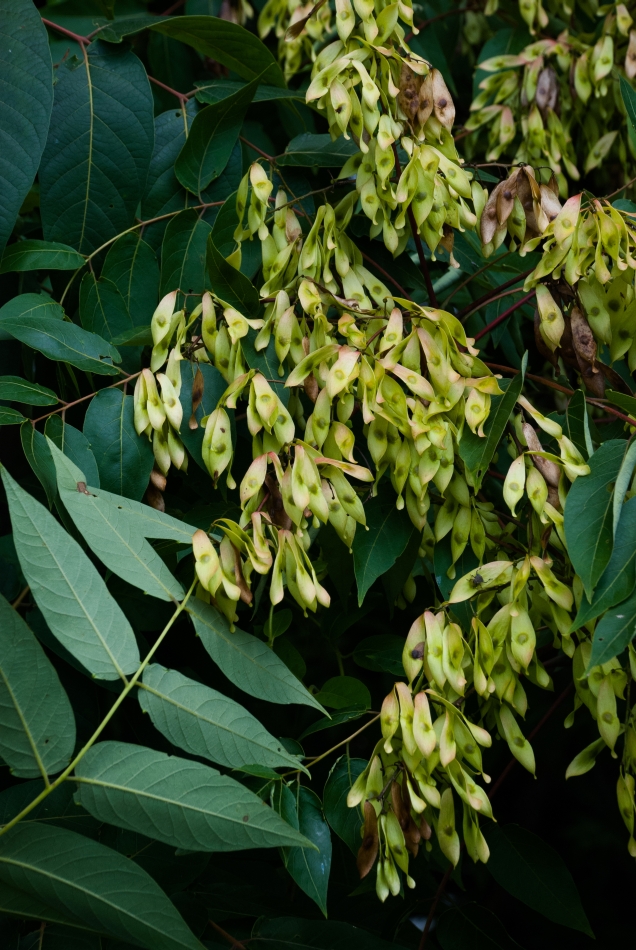 Tree of heaven Tree of heaven |
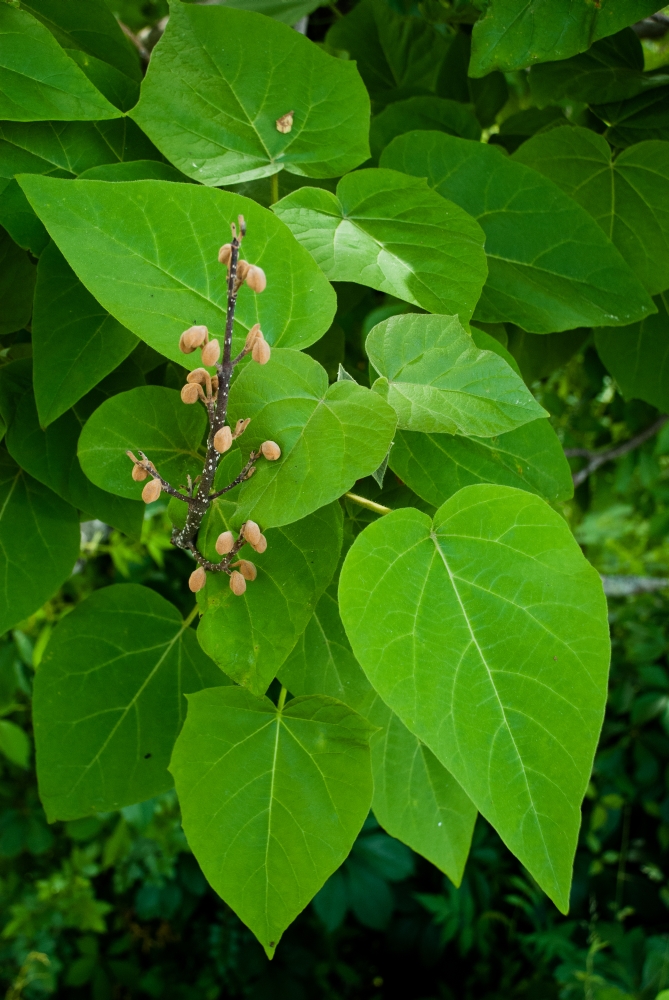 Paulownia (princess-tree) Paulownia (princess-tree) |
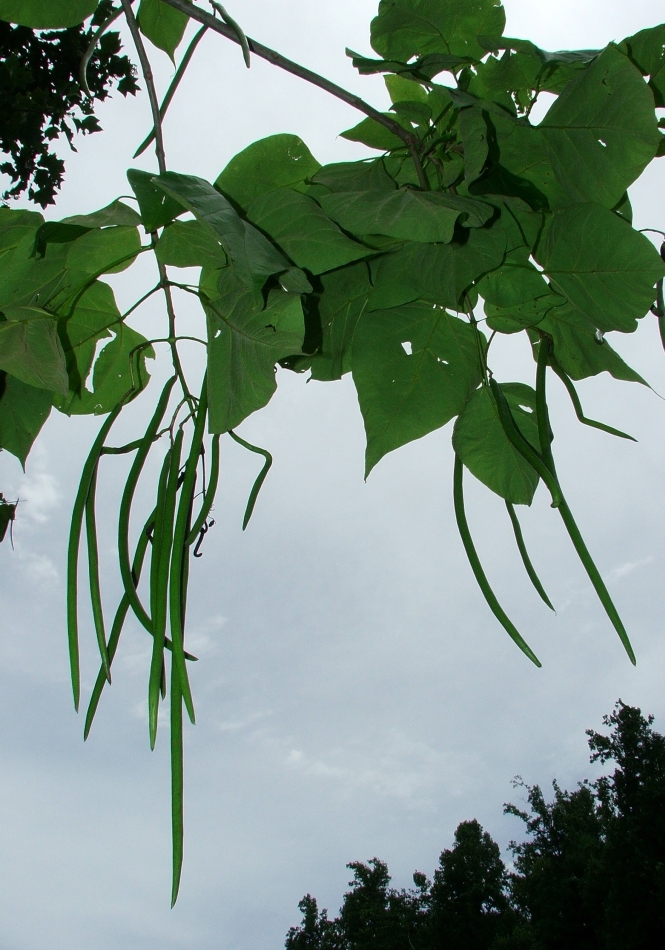 Catalpa Catalpa |
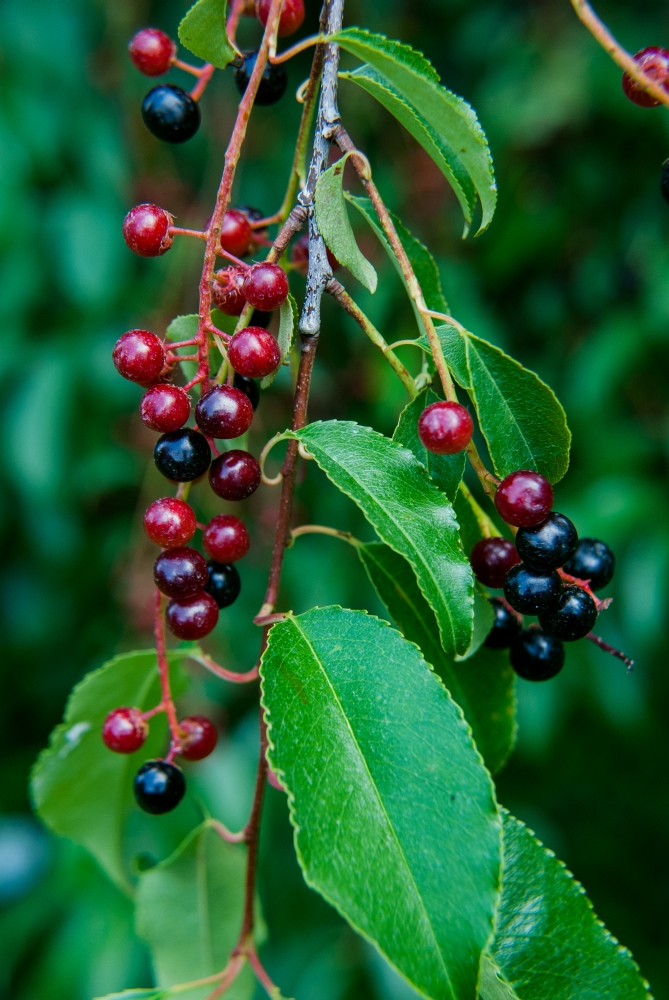 Wild cherry Wild cherry |
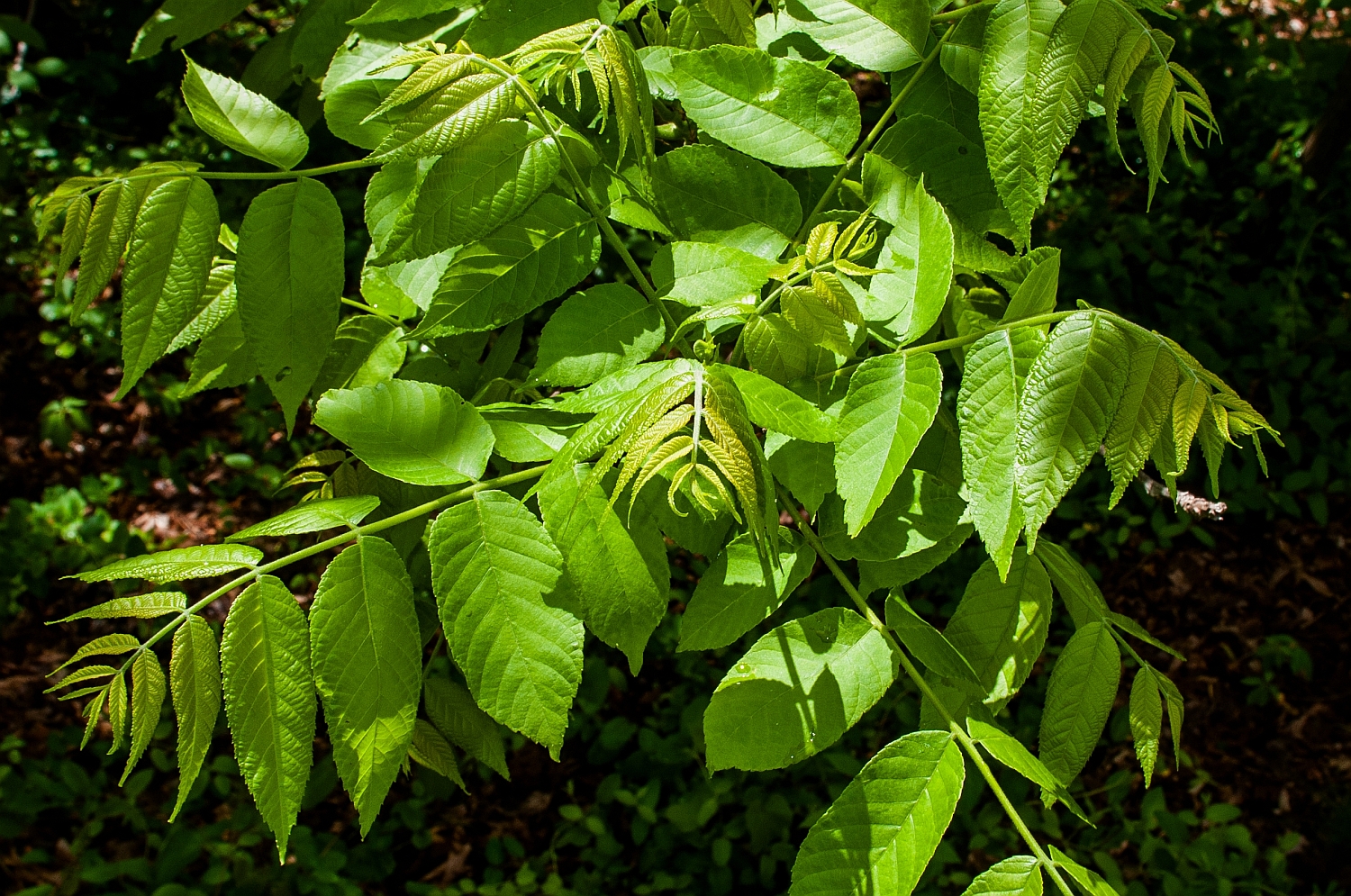 Black walnut Black walnut |
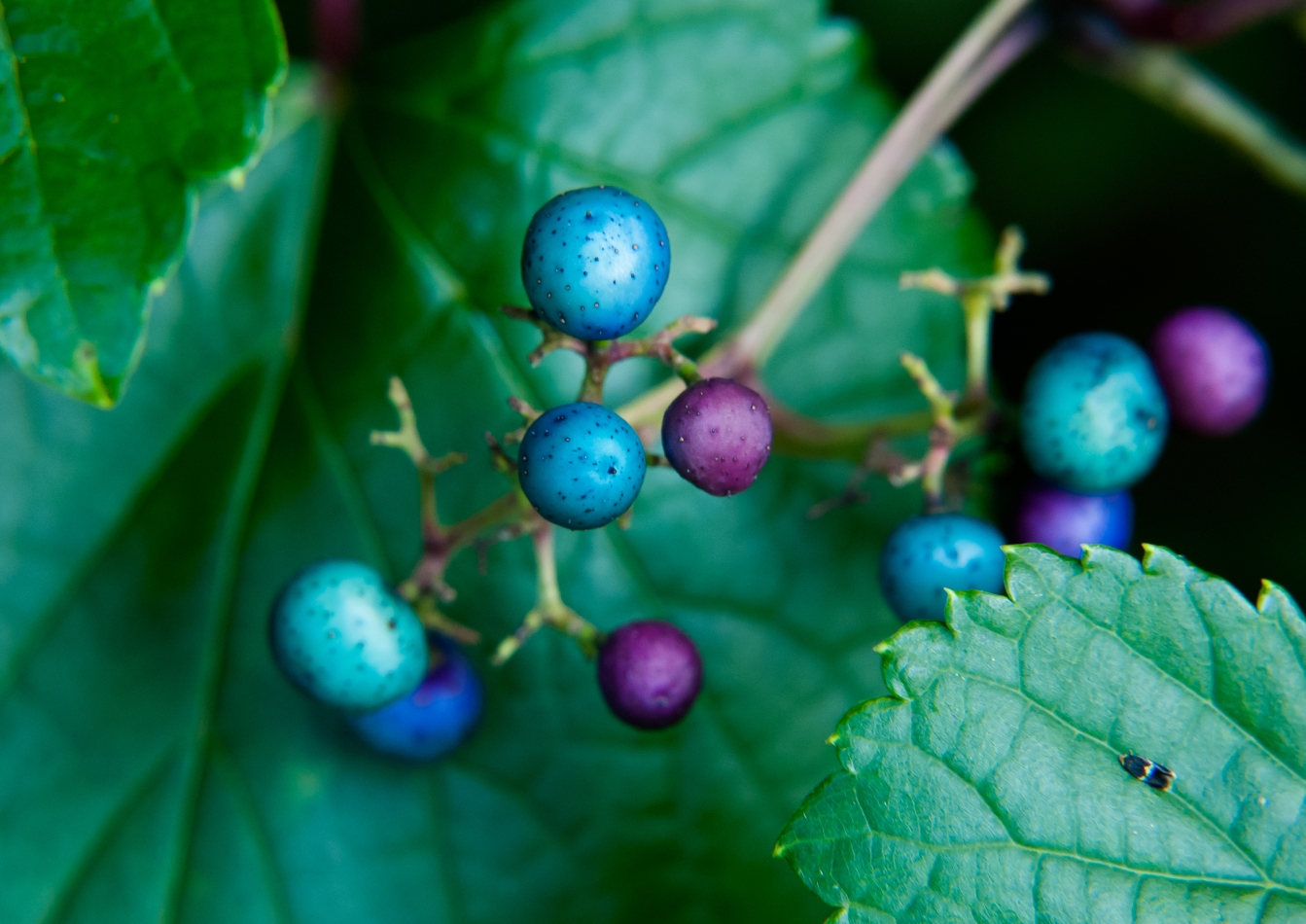 Porcelain-berry, wild grape Porcelain-berry, wild grape |
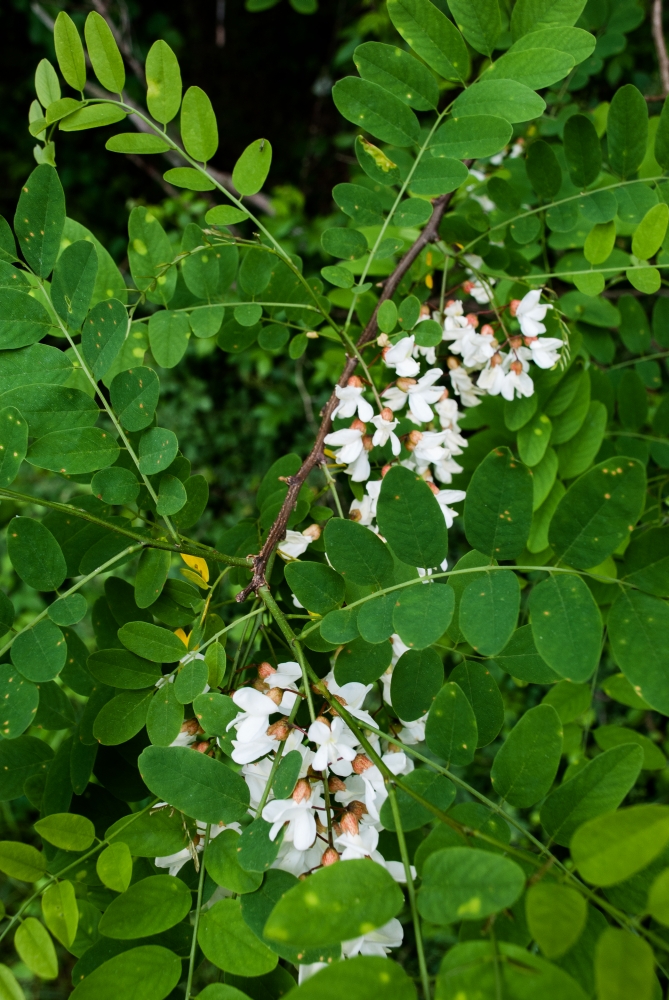 Black locust Black locust |
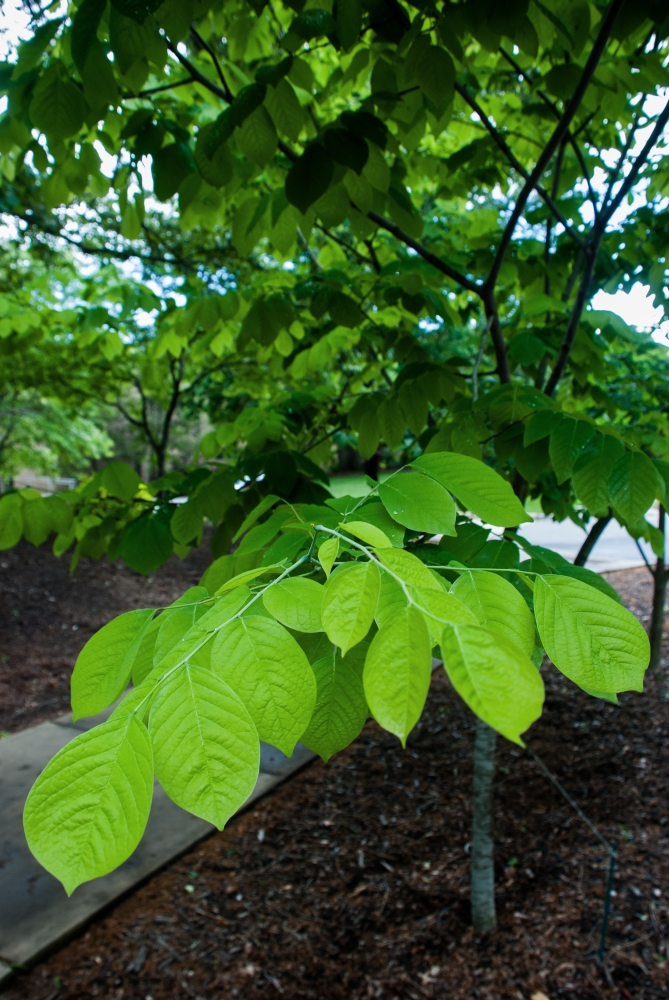 Yellowwood Yellowwood |
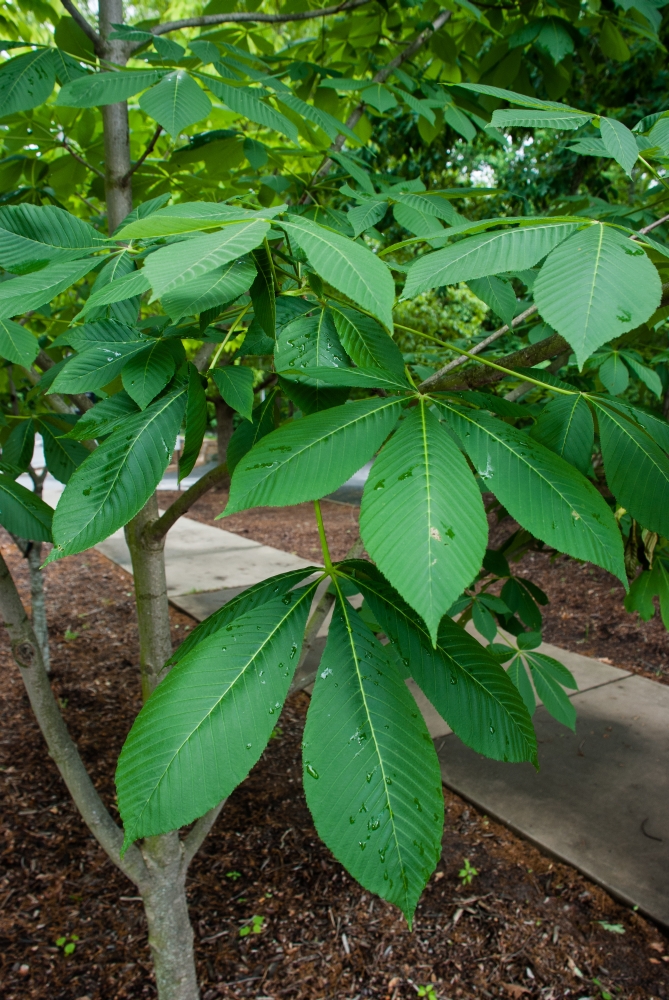 Buckeye Buckeye |
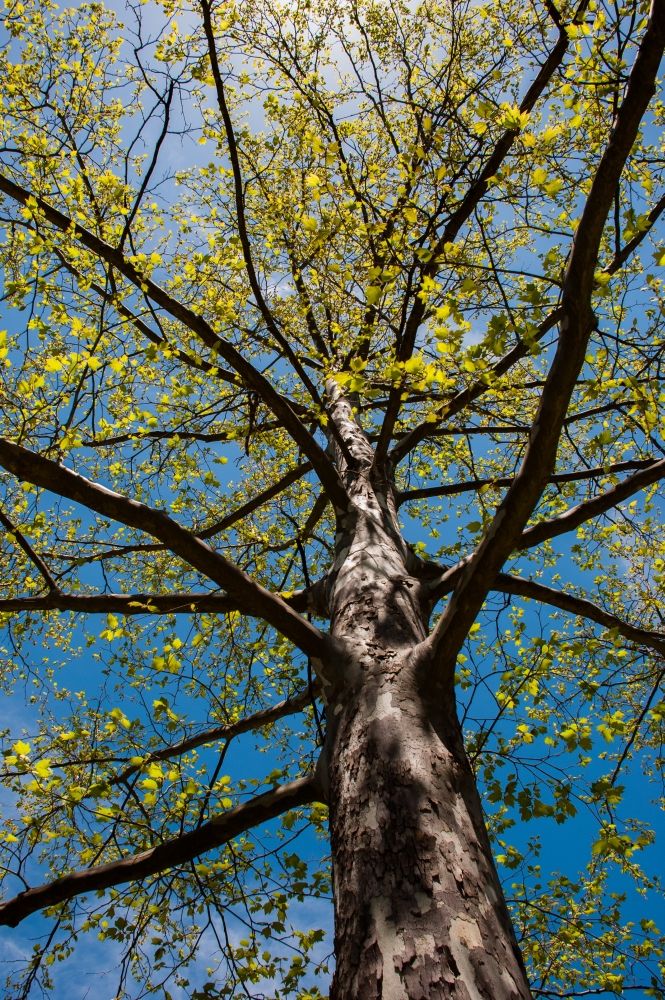 Sycamore Sycamore |
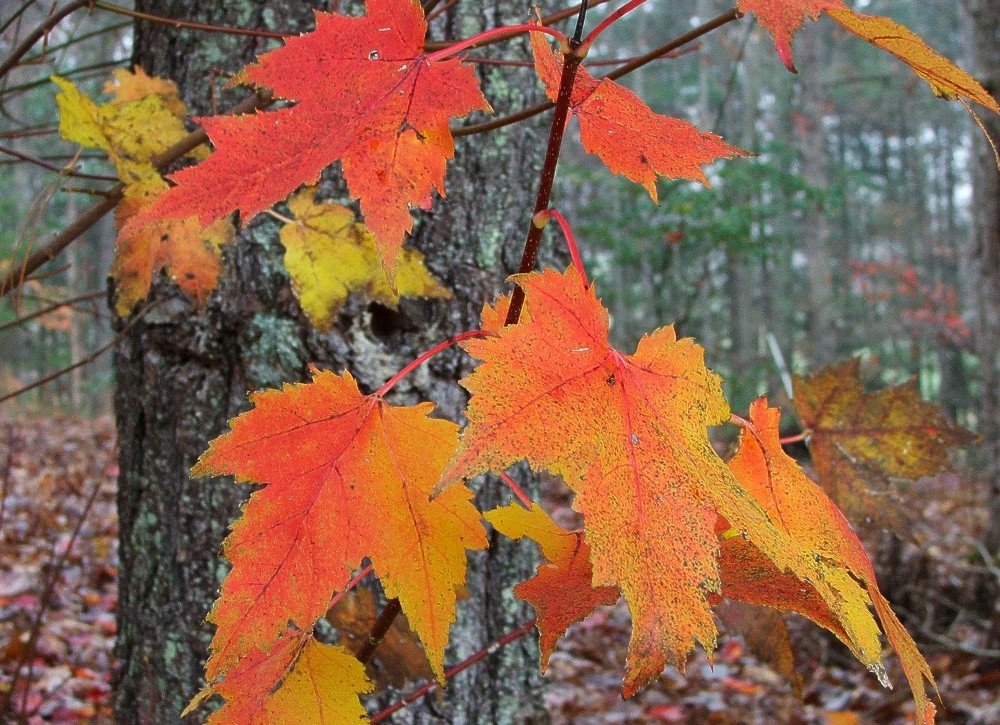 Maple Maple |
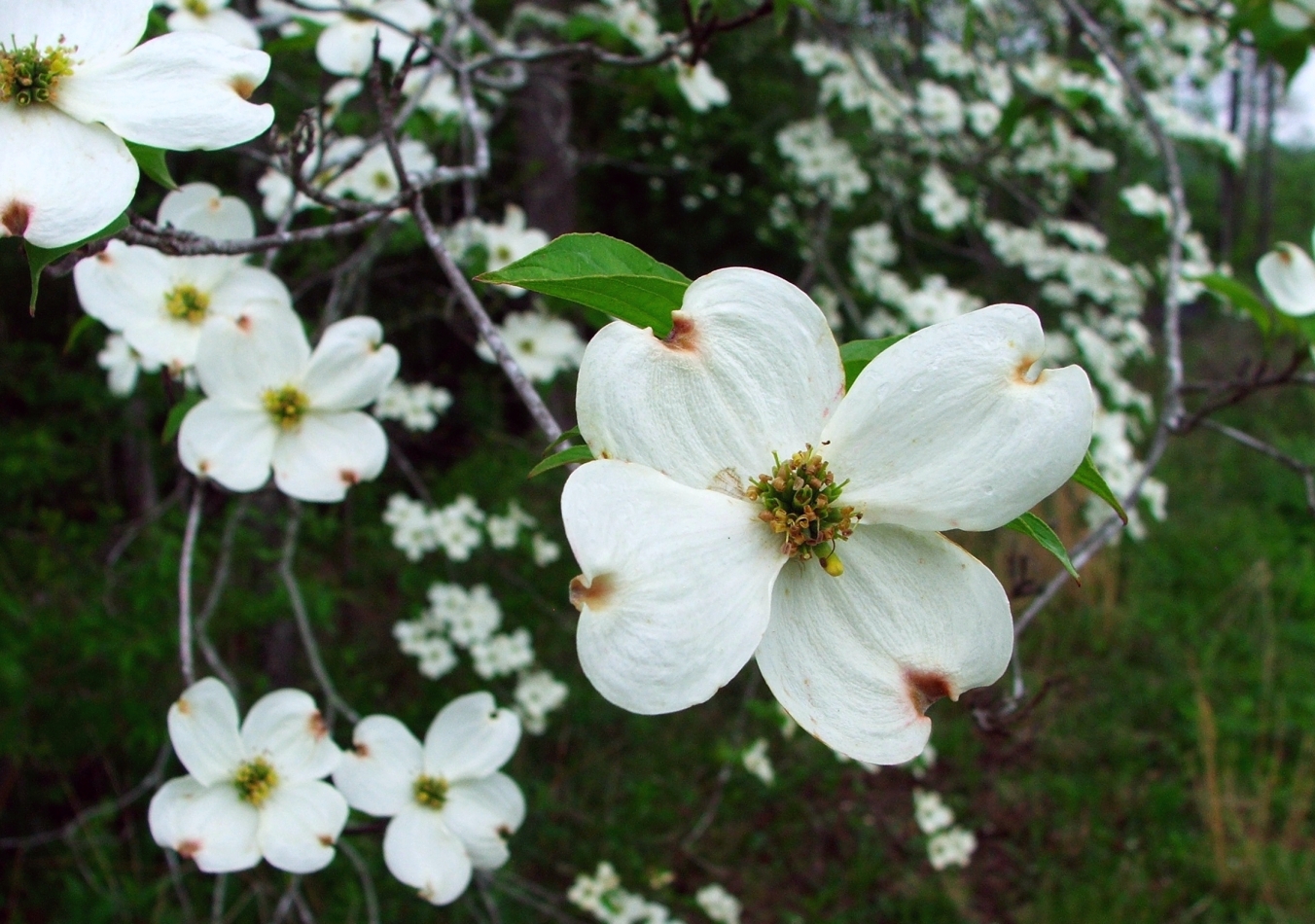 Dogwood Dogwood |
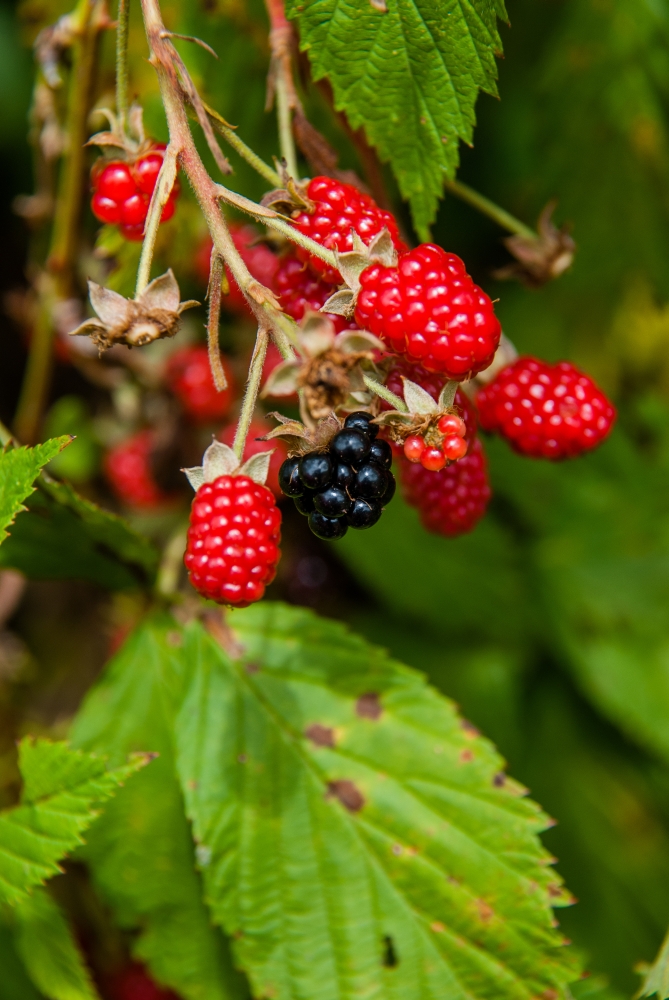 Wild blackberry Wild blackberry |
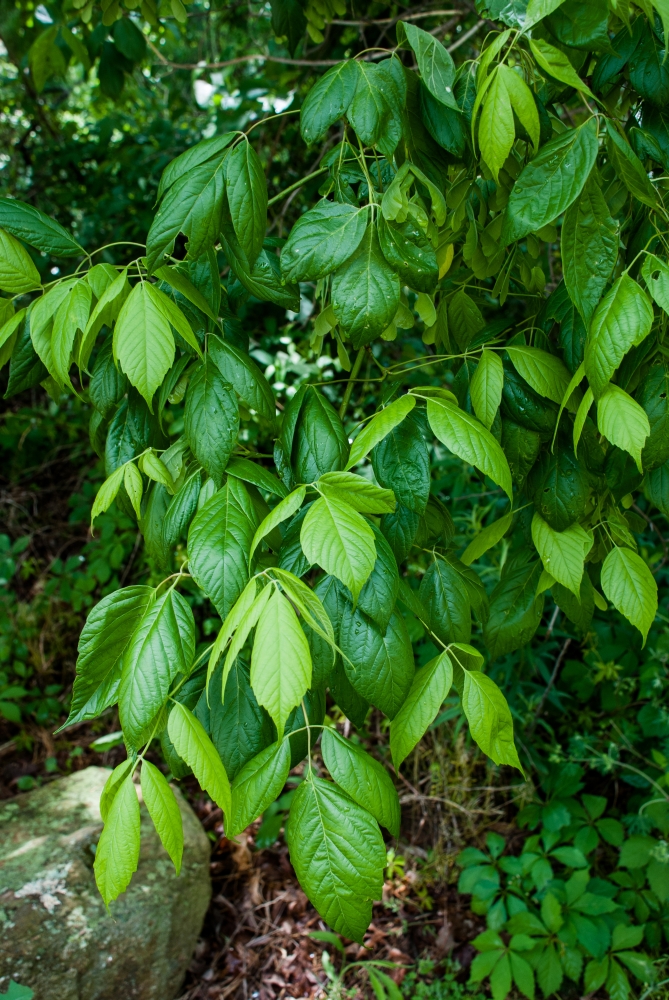 Boxelder Boxelder |
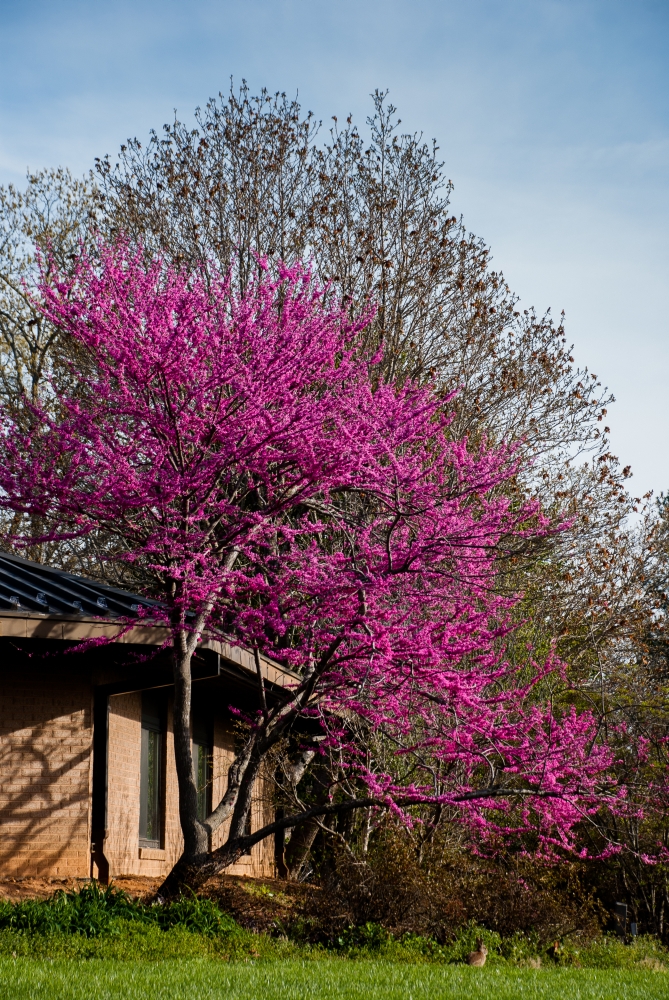 Redbud Redbud |
|
Image credits: Steve Schoof, NC State University