Filtering by tag: Field Crops

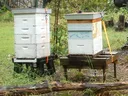
Two wooden beehives on stands in a yard; right hive labeled "Quiet House Bees at work"

Protective Measures of Beehives During Hurricanes

With the track of tropical storm Debby poised to make a significant impact on North Carolina, there are some important considerations for beekeepers who may be affected by the heavy rain and winds.…

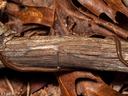
A long, brown, striped hammerhead worm Bipalium kewense

Information on Terrestrial Flatworms and Hammerhead Worms

PLEASE NOTE: NC State University and local agencies (e.g. NCDA&CS) are not currently tracking species that are already known to exist in the state. If you find a species that is different than…

No image

Alternatives to Chlorpyriphos for Tobacco Growers

Chlorpyriphos is an organophosphate insecticide that has been the topic of recent regulatory review. The federal Environmental Protection Agency decided not to revoke chlorpyriphos tolerances in 2019…

No image

Insect Control on Forage Crops

R. Brandenburg, D.D. Reisig, and T.L. Billeisen, Entomology and Plant PathologyInsects pests of pastures and forage crops are often small and difficult to detect unless consistent scouting occurs.…

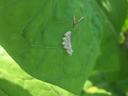
Cluster of pale insect eggs on a green leaf with a small brown insect nearby

New Fact Sheet on Spined Stilt Bugs - an Important Predator in Tobacco

Graduate student Pete Nelson has been busy studying the biology of spined stilt bugs in tobacco in order to better understand how we can enhance predation by these important beneficial insects in…

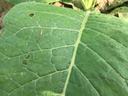
Large green leaf with prominent central vein and small feeding holes

Beneficial Insects in Tobacco

Last week while scouting my plots at Kinston and Rocky Mount, I spotted two predatory insects: big-eyed bugs and spined stilt bugs. Big-eyed bugs (Geocoris puntipes) are common predators found in…

No image

Asking About Organic Aphid Management in Tobacco

I have recently received a few question about organic aphid management in tobacco, specifically about efficacy of different foliar insecticides. We have done a fair amount of work on organically…

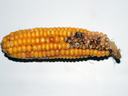
Sap beetle injury

Sap Beetle Management in Mature Corn

A number of folks are concerned about sap beetle injury this year. Sap beetles are secondary pests. That means that they feed once something else has already damaged the kernels. We've seen…

No image

What to Watch For: Soil Insects in Organic Tobacco

Organic tobacco acreage has increased throughout the southeast for 2015, and along with this increase has come more questions about insect management. To help answer these questions, our lab will be…

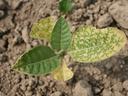
Seedling with green and yellow mosaic-pattern leaves growing in dry, cracked soil

Tobacco Insect Control and Transplant Water Treatments

Tobacco growers often apply insecticides in the greenhouse or at transplant to preventatively manage populations of green peach aphids and tobacco flea beetles. In recent years, some growers have…