Open search
Open main menu
Search
About
Meet Our Staff
Events
County Centers
Topics
Paths to CALS
NC Disaster Information
Biocontrol
Fruits
Apple Pest Management
Current Western NC Orchard Insect Populations
Brown marmorated stink bug
Biological Control of Brown Marmorated Stink Bug
Blueberry Insect Pests
Dormant Season Blueberry Pests
Pre Bloom Blueberry Pests
Petal Fall Blueberry Pests
Blueberry Pollinators
Strawberry Insect Pests
Sustainable SWD Management
Spotted Wing Drosophila Biology
Spotted-Wing Drosophila Resources
Spotted Wing Drosophila Videos
Spotted Wing Drosophila Impacts, 2014
Spotted-Wing Drosophila Impacts, 2013
Spotted-Wing Drosophila Impacts, 2012
Spotted-Wing Drosophila Research and Extension Priorities, 2012
Spotted-Wing Drosophila Needs Assessment, 2011
Caneberry Portal
Caneberry SprayGuide
Vegetable Pest Management
Insect Management on Fruiting Vegetables in North Carolina
Insect Management on Cucurbit Vegetables in North Carolina
Management of Western Flower Thrips in Fruiting Vegetables
Benefits of Applying Insecticides with Drip Chemigation
Biological Control With Predators and Parasitoids
Biological Control of Spider Mites in Tomatoes
Biological Control of Brown Marmorated Stink Bug
Walgenbach Entomology Lab
Field Crops
Field Corn Insects
2017 Corn Entomology Presentation
Small grain insects
Soybean insect pests
Tobacco insect pests
Livestock & Poultry
Asian Longhorned Tick
Blister beetles
Fire Ants in Pastures
Goat Lice
Ornamentals
Urban & Medical
Biting & Stinging Pests
Asian Giant Hornet
What looks like an Asian Giant Hornet
Asian Giant Hornet & Honey Bees
Mosquito Control
Asian Longhorned Tick
Asian Needle Ant
Red Imported Fire Ant
Wood-Damaging Pests
Termite Biology and Control
Termite Baiting Systems
Powderpost Beetles and Wood-Inhabiting Fungi
Asian Lady Beetles
Booklice
Camel Crickets
Drain Flies
Earwigs
Fungus Gnats
Kudzu Bugs
Millipedes
Selecting Pest Control Services
Silverfish
Spiders in and Around Homes
Springtails
IPM in Schools and Child Care
Training facility
Agent Resources (Login Req.)
Entomology Resources
Entomology Program
NC State Plant Disease & Insect Clinic
Pesticide Safety Education
Pest News
Dictionary of Agromedicine
Entomology Blogs
Ecoipm
IPM for Schools
NC Urban Pests
Publications & Factsheets
Discover Extension
Access Publications
Explore Topic Areas
Read News
Visit County Centers
Find Extension Jobs
Toggle main menu
Menu
Entomology
NC Disaster Information
Biocontrol
Fruits
Apple Pest Management
Current Western NC Orchard Insect Populations
Brown marmorated stink bug
Biological Control of Brown Marmorated Stink Bug
Blueberry Insect Pests
Dormant Season Blueberry Pests
Pre Bloom Blueberry Pests
Petal Fall Blueberry Pests
Blueberry Pollinators
Strawberry Insect Pests
Sustainable SWD Management
Spotted Wing Drosophila Biology
Spotted-Wing Drosophila Resources
Spotted Wing Drosophila Videos
Spotted Wing Drosophila Impacts, 2014
Spotted-Wing Drosophila Impacts, 2013
Spotted-Wing Drosophila Impacts, 2012
Spotted-Wing Drosophila Research and Extension Priorities, 2012
Spotted-Wing Drosophila Needs Assessment, 2011
Caneberry Portal
Caneberry SprayGuide
Vegetable Pest Management
Insect Management on Fruiting Vegetables in North Carolina
Insect Management on Cucurbit Vegetables in North Carolina
Management of Western Flower Thrips in Fruiting Vegetables
Benefits of Applying Insecticides with Drip Chemigation
Biological Control With Predators and Parasitoids
Biological Control of Spider Mites in Tomatoes
Biological Control of Brown Marmorated Stink Bug
Walgenbach Entomology Lab
Field Crops
Field Corn Insects
2017 Corn Entomology Presentation
Small grain insects
Soybean insect pests
Tobacco insect pests
Livestock & Poultry
Asian Longhorned Tick
Blister beetles
Fire Ants in Pastures
Goat Lice
Ornamentals
Urban & Medical
Biting & Stinging Pests
Asian Giant Hornet
What looks like an Asian Giant Hornet
Asian Giant Hornet & Honey Bees
Mosquito Control
Asian Longhorned Tick
Asian Needle Ant
Red Imported Fire Ant
Wood-Damaging Pests
Termite Biology and Control
Termite Baiting Systems
Powderpost Beetles and Wood-Inhabiting Fungi
Asian Lady Beetles
Booklice
Camel Crickets
Drain Flies
Earwigs
Fungus Gnats
Kudzu Bugs
Millipedes
Selecting Pest Control Services
Silverfish
Spiders in and Around Homes
Springtails
IPM in Schools and Child Care
Training facility
Agent Resources (Login Req.)
Entomology Resources
Entomology Program
NC State Plant Disease & Insect Clinic
Pesticide Safety Education
Pest News
Dictionary of Agromedicine
Entomology Blogs
Ecoipm
IPM for Schools
NC Urban Pests
Publications & Factsheets
Discover Extension
Access Publications
Explore Topic Areas
Read News
Visit County Centers
Find Extension Jobs
Biological Control Information Center
/
Beneficial Look-a-Likes
November 13, 2018
Beneficial Look-a-Likes
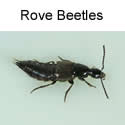
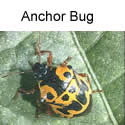
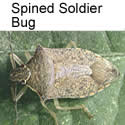
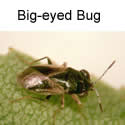
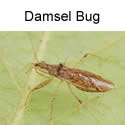
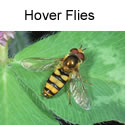
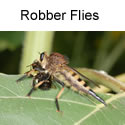
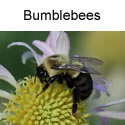
are insects that look similar to beneficials, or that mimic them in order to gain protection from their own predators, or to fool the insects they feed on. Click on the thumbnails below to find out more about these copycats.
Beetles
More info on beetles
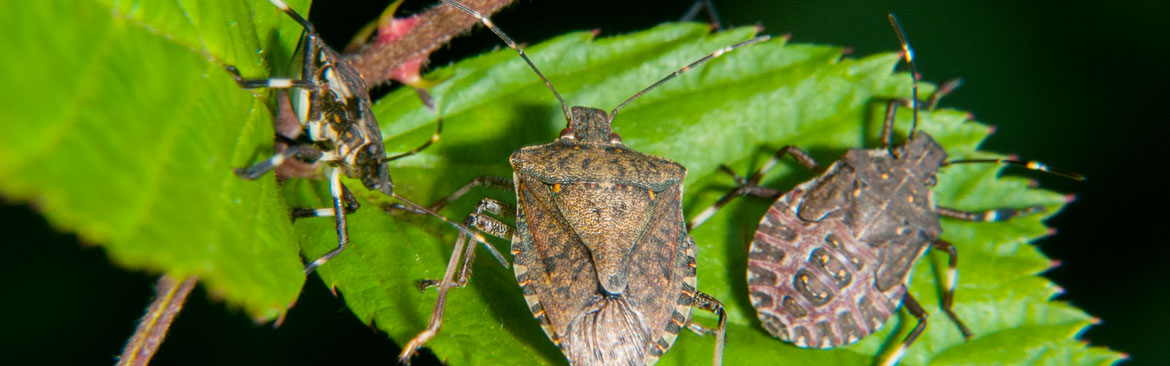
(True) Bugs
What are true bugs
Flies
More info on flies
Bee Look-A-Likes
More info on bees
Wasps
More info on wasps
Organization
Was the information on this page helpful?
Yes
No
Tell us more (optional)
Send Feedback
Google Recaptcha
Post this page on X
Share on Facebook
Share on LinkedIn
Email this article
Print this article
We also have a few
other email lists
you can subscribe to.
Written By
David Orr
Extension Specialist and Associate Professor